

Wholesale Flea Comb Buying Guide for Private Label Brands
Are low quotes for a flea comb hiding weak tooth retention, rough edges, a poor grip, or packaging costs that appear only after sampling? This small grooming tool looks simple. Yet small changes can affect quality, customer reviews, and final landed cost. Buyers need a clear product brief before they compare suppliers.
Start With the Product Role
Define the Customer and Sales Channel
First decide where the flea comb will be sold and how it will fit the range. A compact model may suit travel sets, basic grooming lines, or gift programs. A long-handle model can offer a different grip and shelf presence. A wider head may support fast coat checks. A narrow format can help buyers create a more focused flea comb story.
Choose One Clear Product Format
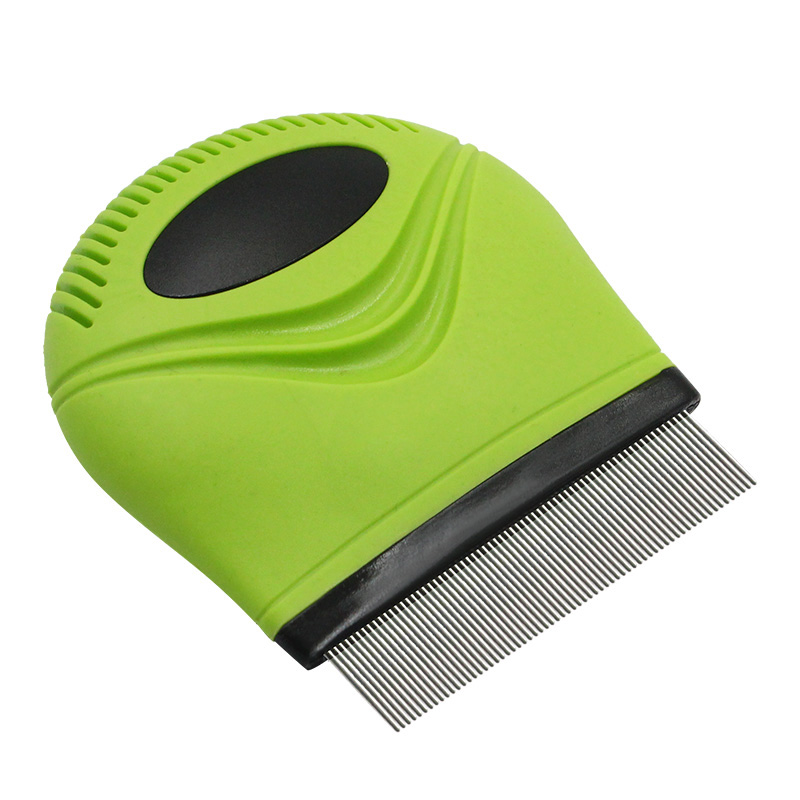
Cool-Di lists several flea comb formats on its official website. They include compact combs, long-handle combs, and models with longer stainless steel teeth for thick or long coats. Some designs use a wide palm grip. Others use a narrow anti-slip handle with a hanging hole. Compare each design by function, package size, and sales channel. Do not compare appearance alone.
Build a Complete Flea Comb Specification
Confirm Tooth Length Spacing and Layout
The teeth are the main working part of a flea comb. Record the tooth count, exposed length, diameter, spacing, row width, and alignment. Closely spaced teeth are a key feature in Cool-Di’s product details. Another listed model uses longer stainless steel teeth for long and thick coats. These are different designs. They should not share one vague purchase description.
Ask the supplier to give measured values for the chosen flea comb sample. Check the center and both ends of the row. Uneven gaps can change how the product feels. They may also show weak process control. If your range includes two comb sizes, give each version its own item number and order spec.
Review Material and Tooth Finish
Cool-Di lists ABS, TPR, and stainless steel for several flea comb models. Material names alone do not define quality. Buyers should also check the surface finish, straightness, rounded ends, and the joint between the teeth and body. The official pages describe rounded or finely polished teeth. Your approved sample should show what those terms mean for the order.
Run a careful visual and touch inspection on every flea comb sample. Look for burrs, sharp edges, corrosion marks, uneven polishing, bent teeth, and loose teeth. Press the row gently from several points and compare samples. The product should return to its approved condition without movement in the insert area.
Check the Head Handle and Grip
The body affects control, packing, and value. Review the handle length, width, texture, grip insert, hanging hole, seams, edges, and balance. Cool-Di’s cat flea comb page describes a soft anti-slip grip and a hanging hole. Its compact model uses a broad palm-style body. These options can support different private label positions.
Confirm the size and weight of the selected flea comb. For example, Cool-Di lists model 0101-014 at 67 by 75 by 23 mm and 65 g. It lists model 0101-028 at 170 by 25 by 28 mm and 40 g. These figures apply to those models. Check the current sample and allowed tolerance before ordering.
Approve Samples Before Comparing Prices
Inspect Several Samples
One good flea comb does not show whether production is stable. Request several samples from the same proposed model. Compare tooth spacing, tooth security, surface finish, handle assembly, color, weight, logo position, and package fit. Use the same flea comb checks on every sample so your decision is based on recorded evidence.
Create a Golden Sample and Defect Rules
After approval, keep one signed golden sample. Link it to a dated product spec, color reference, logo file, package artwork, and photos. The buyer and factory should use the same flea comb reference during production and final inspection. If the design changes, issue a new version. Do not rely on scattered email comments.
Define critical, major, and minor defects before the order starts. Critical issues may include sharp points or a detached part. Major issues may include loose teeth, wrong dimensions, failed assembly, or an incorrect package. Small hidden marks may be minor if they do not affect use or presentation. Clear flea comb defect rules make inspection decisions faster and more consistent.
Compare Flea Comb Cost on the Same Basis
Match the Quotation to the Specification
Two flea comb quotes are useful only when they cover the same product. Ask each supplier to state the model, materials, size, weight, color, logo method, package, order quantity, inspection level, and trade terms. One quote may use a standard color. Another may include a custom package. Do not compare those unit prices as if the products are equal.
Cool-Di’s product page for model 0101-014 lists green or customized color, customized package and logo, and FOB or EXW shipment terms. It also lists 500 pieces for the standard minimum and 1,000 pieces for OEM. Confirm the current terms for your exact flea comb order, because color splits, artwork, or package changes may affect the minimum.
Calculate Landed Cost
The unit quote is only part of flea comb cost. Add sampling, artwork, tooling if needed, inner packing, cartons, inspection, freight, duty, storage, and handling. Ask for the carton quantity, carton size, net weight, and gross weight before final approval. A large card or box can raise freight cost even when the product price is low.
Plan Private Label Customization
Separate Branding From Structural Changes
A private label flea comb can stand out through color, logo, package graphics, instructions, and its place in the range. Changes to the structure may need more time, new samples, or new tooling. Begin with the Cool-Di model closest to your brief. Then list only the changes that support the target market.
For each change, ask whether it affects MOQ, unit price, sample time, production time, or testing. Approve a physical color sample. Do not rely only on a screen image. Check logo size and contrast on the actual flea comb surface. A small curved grip may limit print space or need another logo method.
Treat Packaging as Part of the Product
The package should protect the flea comb and explain the product clearly. Review the card or box size, product position, attachment points, barcode area, required marks, and language. Make sure the teeth remain covered and the handle does not move enough to damage the printed surface.
Control Production and Delivery
Confirm the Order Before Production
The purchase order should name the approved flea comb model and spec version. Include the quantity, color reference, materials, size, weight target, tooth details, logo file, package file, carton marks, inspection needs, and shipment terms. Record every approved change in one place.
Build the Schedule Backward
Allow time for sample selection, revisions, color approval, logo approval, package proofing, production, inspection, booking, and transport. Cool-Di’s general company FAQ states that normal lead time is around 40 days and stocked products may be around 10 days. These are general website figures, so confirm the current schedule for the exact flea comb configuration and order date.
Evaluate the Manufacturer
Check Category Knowledge and Response Quality
A capable flea comb factory should answer product questions with clear size details and current documents. It should explain which models are standard and which details can change. It should also show how changes affect price and timing. Review the sample process, production checks, final inspection, complaint handling, and reorder control.
Also compare the supplier’s wider range. Cool-Di lists flea combs, finishing combs, rake combs, stainless steel combs, brushes, dematting tools, deshedding tools, nail-care items, and other pet products. A broad range can help a buyer build a matched grooming line. Each SKU still needs its own approved product spec.
Verify Company Information for Your Program
Cool-Di positions KUDI as a maker of pet grooming tools and retractable dog leashes with more than 20 years in the field. Its website states that it runs its own factories and accepts OEM and ODM orders. It also lists BSCI, SEDEX, Walmart, Walgreens, BRC, and ISO 9001 audits. Buyers should request the current documents that apply to their company, market, and selected flea comb order.
Build a Clear Flea Comb Brief With Cool-Di
Cool-Di offers several flea comb structures with stainless steel teeth, different grip formats, and custom color or packaging options on selected models. Published examples include a compact palm design and a long anti-slip handle design. This gives buyers a practical base for comparing size, grip, package, and market position.
Send Cool-Di your target coat type, preferred flea comb format, expected quantity, color plan, logo method, packaging needs, market, inspection needs, and launch date. Ask for current product specs, samples, confirmed MOQ, quotation, carton data, and production schedule. A complete brief will help both teams move from sample choice to a controlled private label order.
Post time: Oct-10-2026