

Are similar-looking scissors giving you different cutting results, uneven closing pressure, or quotations that leave the final package unclear? For pet brands, importers, and distributors, pet thinning scissors need a product brief and a repeatable sample test. A polished photo cannot show whether hair folds between the blades or whether the joint stays consistent after repeated use.
Buyers should approve the tool and its package together. This guide explains how to define pet thinning scissors, compare samples, set batch inspection requirements, and plan a private label order around complete costs and clear approvals.
Define the Tool Before Comparing Prices
Confirm the Blade Configuration
Start by identifying the function of the selected model. Pet thinning scissors should be distinguished from straight cutting scissors, curved scissors, and nail clippers. Ask for clear images of both blades and confirm the tooth arrangement in writing.
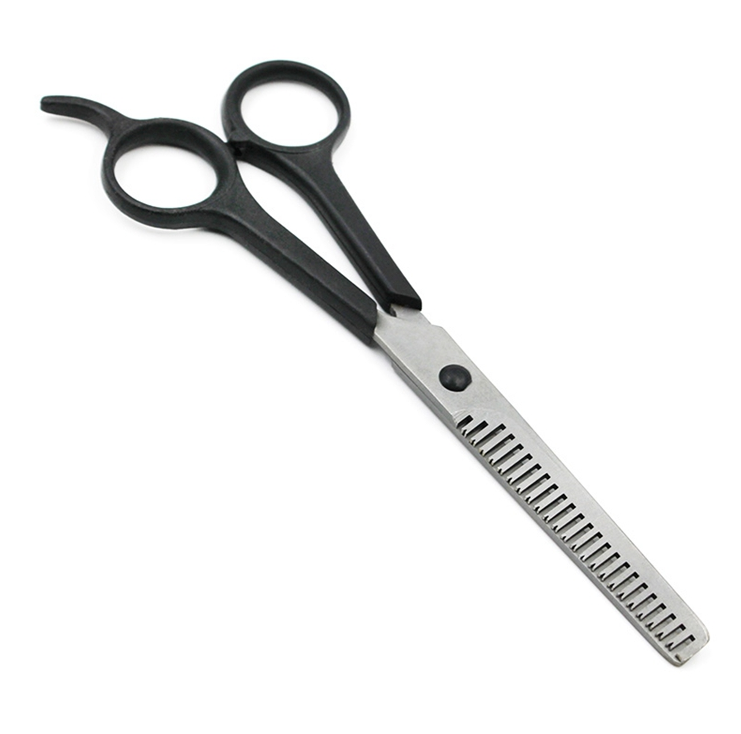
Cool-Di lists its MRJ009 model primarily for thinning, with 23 teeth on the serrated blade. Use that configuration as the reference when requesting a sample. Do not assume that products with similar handles have the same blade design or intended use.
Record the Complete Specification
The listed MRJ009 pet thinning scissors use plastic and stainless steel. The product page gives dimensions of 170 × 55 × 5 mm and a weight of 30 g. Request current specifications before placing an order.
Ask how overall length is measured and confirm the usable blade length, tooth count, handle opening, and intended hand orientation. Where a detail is not listed, obtain supplier confirmation rather than filling it in from a photograph. Keep the pet thinning scissors model code on the quotation and purchase order.
Review Blade Finish and Closing Movement
Inspect Both Cutting Surfaces
Examine pet thinning scissors under suitable lighting before running a cutting test. Look for damaged teeth, visible burrs, rust marks, scratches, and uneven finishing. Inspect the tips and the spaces between teeth as well as the outside faces.
Record the acceptable pet thinning scissors appearance with close-up photographs. Separate cosmetic marks from defects that affect cutting or handling. A general instruction to supply “good quality” leaves too much room for different interpretations during inspection.
Check the Joint Through Its Travel
Open and close the pet thinning scissors slowly without forcing the blades. Note scraping, sticking, unexpected side movement, or a sudden change in resistance. Check whether the tips meet in the way intended for the model.
Ask the supplier to explain the joint design and whether adjustment is supported. Do not change the pet thinning scissors setting before recording its original condition. If adjustments are made during review, document them so the approved result can be reproduced.
For pet thinning scissors, smooth movement and cutting performance should be assessed together. A tool can feel easy to close while still giving a poor result on the agreed test material.
Build a Repeatable Cutting Test
Define the Test Material and Method
Compare pet thinning scissors on the same suitable hair swatch or test medium. Agree on material type, preparation, section size, cutting position, and the number of passes. Keep conditions consistent between samples.
Review whether the blades cut cleanly or fold, pull, or trap the material. Record where a problem occurs along the blade. Testing only near the pivot can miss a different result closer to the tip.
Measure Results Without Guessing a Rating
Do not infer a fixed thinning percentage from tooth count alone. For pet thinning scissors, the finished blade design and the test method both matter. If a supplier quotes a percentage, ask how it was measured and under which conditions.
Use the agreed test to compare samples against your brief. Do not present the result as proof of performance on every coat. Your team should approve intended applications and package claims based on the selected model and supporting information.
Repeat the Check After Handling Cycles
A single successful cut is a limited sample result. Agree with your quality partner on a suitable repeated-use check for pet thinning scissors, including cycle count, handling conditions, and acceptance criteria.
Inspect the pet thinning scissors joint and blades again afterward. Record any change in closing resistance, cutting result, or component position. Avoid inventing durability limits without a technical basis. The useful requirement is a shared method that both supplier and inspector can follow.
Check Handle Fit and Product Presentation
Include Several Reviewers
Ask several reviewers to hold the pet thinning scissors in the intended manner. Check finger clearance, grip edges, balance, and access to the blades. Record discomfort or awkward movement rather than relying only on a general comfort score.
Inspect the plastic handle for sharp molding flash, cracks, rough seams, or loose sections. Confirm any removable parts shown in the sample and whether they are included in the quoted configuration.
Match the Tool to the Sales Channel
Decide whether the pet thinning scissors will be sold alone, supplied to a grooming distributor, or included in a kit. Each route affects packaging, instructions, and the target price.
A pet thinning scissors kit needs a clear component list. Confirm whether a comb, case, blade cover, or other accessory is included rather than assuming that catalog props form part of the offer. Keep the sales unit consistent across artwork, barcodes, and order documents.
Protect the Product During Packing and Delivery
Approve a Packed Sample
Packaging for pet thinning scissors should keep the tool secure and protect the cutting area during normal handling. Request a packed sample and review how the product is held, removed, and returned to its package.
Check whether the pet thinning scissors pack allows movement that could damage the teeth or tips. Agree with your logistics or quality partner on any transport testing needed for the chosen format. A visually attractive package still needs to protect the approved product.
Review Instructions and Branding
Confirm the logo method, position, size, and appearance on pet thinning scissors before production. Ask which surfaces support the proposed method and approve a finished branding sample where needed.
Review care instructions and relevant warnings for the intended market. Do not describe the product as suitable for every user or guarantee injury prevention. Keep translated text, artwork versions, and barcode information under the same approval process.
Compare Complete Order Costs
Clarify the Quote and Minimum Quantity
Cool-Di lists a 1,000-piece MOQ for MRJ009 pet thinning scissors, with customized packaging and logo options. Confirm the current minimum for your chosen branding, quantity, and package format.
A useful quotation identifies the exact model, materials, dimensions, blade configuration, sales unit, packing, and trade terms. Ask for sample charges, setup charges, and optional accessories to be shown separately. This makes differences between suppliers easier to understand.
Add Packing and Freight Assumptions
For pet thinning scissors, request packed dimensions, units per carton, and gross weight. Share the proposed format with your logistics team before approving the order budget.
Compare offers using consistent shipment terms and named locations. Include inspection, freight, handling, and destination assumptions where relevant. A lower factory price may not produce a lower complete cost when packaging or shipment conditions differ.
Turn Sample Approval Into a Bulk Standard
Keep One Complete Reference
Retain approved pet thinning scissors with the dated specification, photographs, test record, branding sample, and packaging proof. Identify who can approve changes and how the supplier should request them.
For pet thinning scissors, agree on defect categories and corrective action before production. A small surface mark and a damaged cutting tooth require different decisions. Keep both appearance and functional checks in the inspection record.
Set Inspection and Delivery Milestones
Confirm when pet thinning scissors will be inspected, who selects samples, and how results will be reported. Ask your quality partner to recommend a sampling plan suited to the order and product risks.
Build the pet thinning scissors schedule around specification approval, sampling, artwork, production, inspection, and transport. Share the required arrival date early. Leave time to resolve inspection findings before dispatch and confirm any changes before repeat production.
Develop Your Grooming Range With Cool Di
Cool-Di’s company information identifies Suzhou Kudi Trade Co., Ltd. as a manufacturer with more than 20 years of experience in pet grooming tools and retractable dog leashes. It supports OEM and ODM projects through requirement review, design visualization, sampling, production, and shipping.
For buyers adding pet thinning scissors to a branded range, the listed MRJ009 provides a concrete starting point. Its confirmed configuration can be reviewed against your cutting tests, package requirements, and sales plan.
Send Cool-Di your target market, planned quantity, preferred specification, branding, package format, and required arrival date. Request a representative sample and an itemized quotation for pet thinning scissors. Approve the product and packed sample, then agree on inspection criteria and the production schedule before placing the bulk order.
Post time: Nov-20-2026